
$0 Down. $0 Design Fee. Just a Simple Monthly Subscription.

A local Winnipeg developer building modern websites for small businesses.
I'm a web developer right here in Winnipeg. I build websites using modern technologies because I believe small businesses deserve the same quality tools that big companies use—just without the big company price tag.
When you call support, you talk to me directly. No faceless managers, no sales reps. Just honest, professional service.
12+ Years
In Industry
Award
Winning
Local
Development
Why is getting a website so stressful?
Small business owners in Winnipeg usually face two bad options.
| Feature | AgencyTraditional approach | DIY BuildersWix/Squarespace | AxiomWebWebsite as a Service |
|---|---|---|---|
| Upfront Cost | $3,000+ | Low monthly fee | $0 Down |
| Time to Launch | Months | Days (but you do it) | 5-7 days |
| Design Quality | Professional | Generic templates | Custom, hand-coded |
| Ongoing Support | Hourly rates | Community forums | Included (hrs/mo) |
| Performance | Varies | Slow (template bloat) | 95+/100 Google Score |
Agency
Traditional approach
| Upfront Cost | $3,000+ |
| Time to Launch | Months |
| Design Quality | Professional |
| Ongoing Support | Hourly rates |
| Performance | Varies |
DIY Builders
Wix/Squarespace
| Upfront Cost | Low monthly fee |
| Time to Launch | Days (but you do it) |
| Design Quality | Generic templates |
| Ongoing Support | Community forums |
| Performance | Slow (template bloat) |
AxiomWeb
Website as a Service
| Upfront Cost | $0 Down |
| Time to Launch | 5-7 days |
| Design Quality | Custom, hand-coded |
| Ongoing Support | Included (hrs/mo) |
| Performance | 95+/100 Google Score |
I invest in You: Website as a Service
I treat your website like a utility. You don't pay thousands to build a power plant; you just pay for the electricity. I take on the risk and development cost.
Launch Without Debt
Save your cash flow for marketing and inventory. Start with $0 down.
Built on Next.js
I don't use slow builders. I write code (React/Next.js) for 100/100 Google performance scores.
Unlimited Peace of Mind
Hosting, SSL, and monthly content updates are all included.
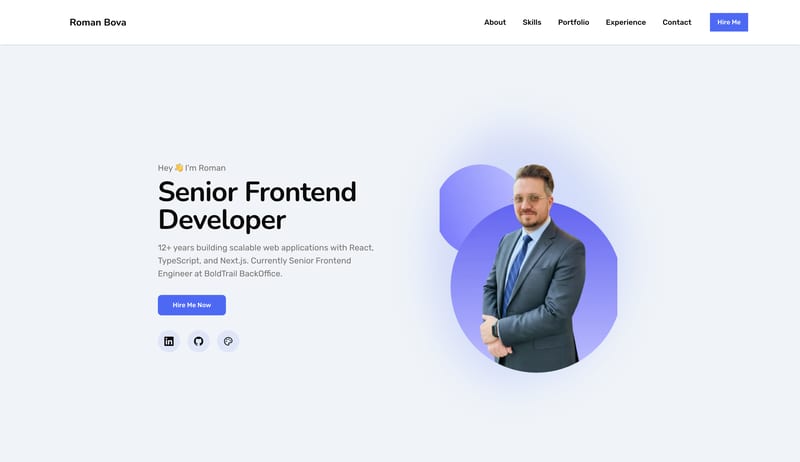
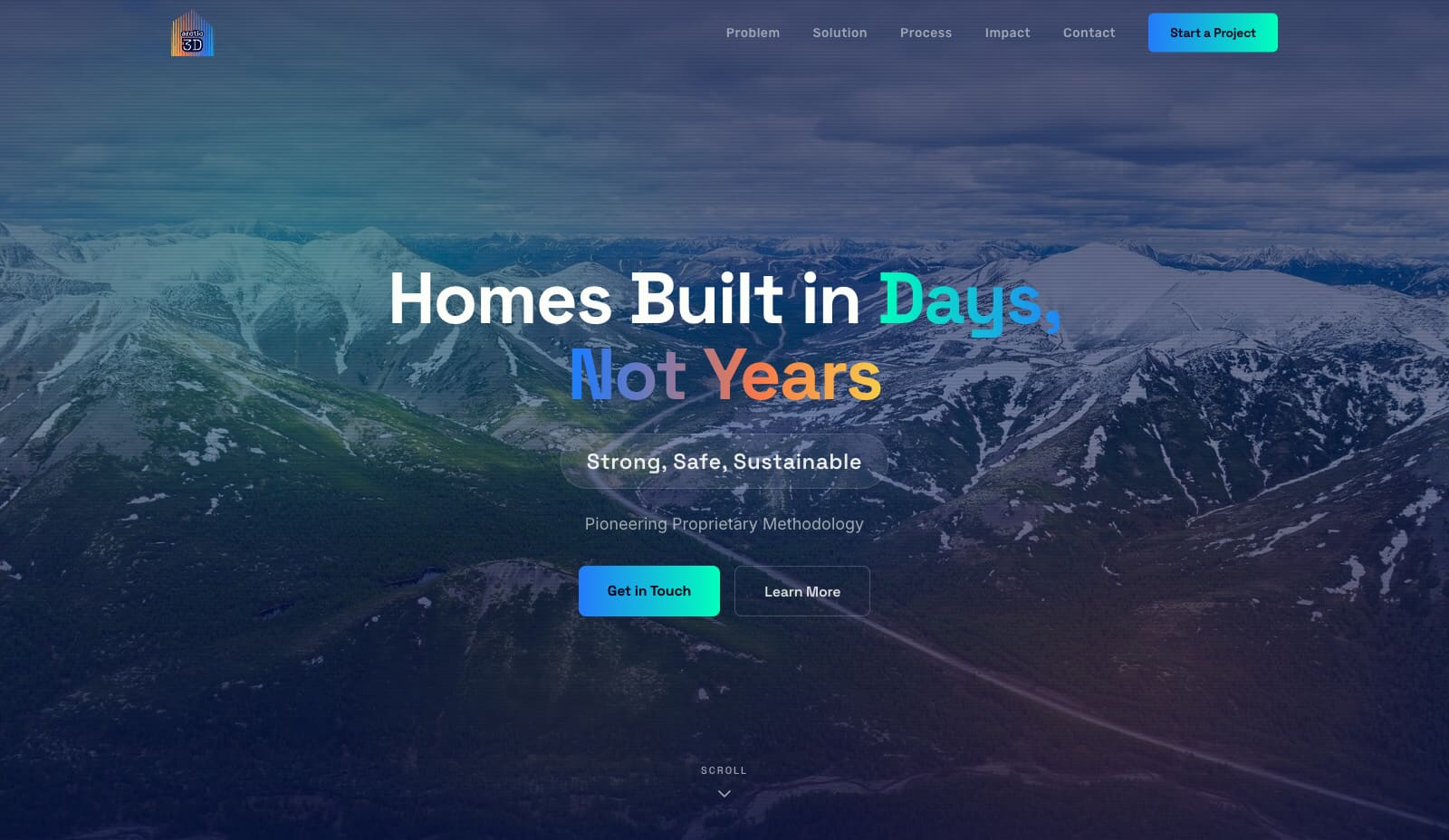
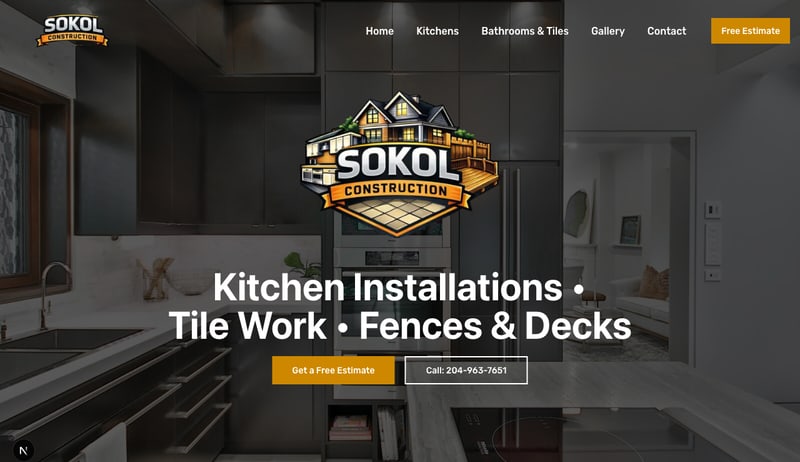
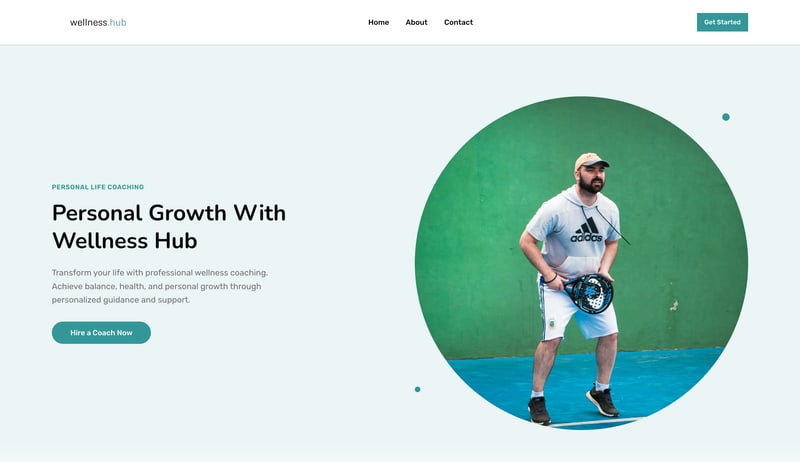
See What We Build
Professional websites for Winnipeg businesses

How It Works
Discovery
I chat about your business and outline the website strategy.
Build
I build your custom site using modern tech (React/Next.js), not slow templates.
Launch
I go live. I handle the hosting and domain.
Support
Need to update text or images? Or a new feature? Just email me. It's included.
Why Hand-Coded Matters
Speed
Fast sites generally perform better in search rankings.
Security
No WordPress plugins to hack. Built with modern security best practices.
Mobile First
Looks perfect on phones (where 80% of your clients are).
Transparent Pricing
No hidden fees. Just one monthly subscription.
Landing Page
Perfect for personal brands & simple services.
- One-Page Website
- Hosting Included
- 1 Hour of Support/mo
- Mobile Optimized
Multi-Page
For small businesses needing more detail.
- 5 Page Website
- Hosting Included
- 2 Hours of Support/mo
- Analytics Setup
- Contact Forms
Pro / Blog
For content growth and high traffic.
- CMS / Blog Integrated
- All from Multipage Plan
- 3 Hours of Support/mo
- Discount on Custom Development
Minimum 12-month agreement required.
Copyright materials and photos are not included in the subscription price.
Features Included FREE in every plan
Competitors charge extra for these features. We include them in every plan.
Image Optimization
Every photo loads perfectly - automatically. On any device.
Unlimited Multilingual
Add unlimited languages free. Serve English & French customers. Critical in Canada.
Legal Pages Included
Up to date PIPEDA-compliant Privacy Policy & Terms of Use documents.
Performance Monitoring
Your website is continuously monitored. You can request a performance report any time.
SSL & Security
Bank-level encryption. Automatic renewal. Zero configuration needed.
Domain management
I help you with your domain purchase, registration and management.
About the Owner
Hi, I'm a developer right here in Winnipeg. I'm not a sales rep from a big agency. When you call support, you talk to me. I build websites using modern technologies because I believe small businesses deserve the same quality tools that big companies use—just without the big company price tag.